Introduction: The AI Revolution
Explore real-world applications of computer vision, from facial recognition to object detection in mobile apps.
In today's rapidly evolving technology landscape, understanding this topic has become more critical than ever. This comprehensive guide will walk you through everything you need to know to get started and excel in this domain.
Understanding the Fundamentals
Before diving deep, it's essential to grasp the fundamental concepts. Artificial Intelligence and Machine Learning are transforming how we build applications. From natural language processing to computer vision, these technologies enable systems to learn from data and make intelligent decisions.
Key Technologies
- TensorFlow and PyTorch for deep learning
- Scikit-learn for traditional ML algorithms
- Hugging Face for pre-trained models
- Cloud platforms like AWS SageMaker and Google AI Platform
Real-World Applications
Let's explore how these concepts translate into real-world scenarios. Understanding practical applications helps bridge the gap between theory and implementation.
Case Study Example
Consider a modern e-commerce platform that needs to scale efficiently. The architecture must handle thousands of concurrent users while maintaining performance and reliability. Here's how different aspects come together:
-
Frontend Layer:
Using modern frameworks like React or Vue with server-side rendering for optimal SEO and initial load performance.
-
Backend Services:
Microservices architecture with Node.js or Python, containerized using Docker and orchestrated with Kubernetes.
-
Database Strategy:
Combination of PostgreSQL for transactional data and Redis for caching, with MongoDB for product catalog.
-
Cloud Infrastructure:
Deployed on AWS or Google Cloud with auto-scaling, load balancing, and CDN for global reach.
Implementation Strategies
Now that we understand the landscape, let's dive into implementation details. Following a structured approach ensures success and minimizes common pitfalls.
Step-by-Step Implementation
Phase 1: Planning and Architecture
Start with a clear architecture design. Document your system components, data flow, and integration points. Use tools like Figma for design mockups and Lucidchart for architecture diagrams.
Phase 2: Development Setup
Set up your development environment with proper tooling:
# Initialize project
npm init -y
npm install express mongoose cors dotenv
npm install --save-dev nodemon eslint prettier
Phase 3: Core Development
Build features iteratively, starting with the most critical user flows. Use version control effectively with meaningful commit messages and feature branches.
Phase 4: Testing and Quality Assurance
Implement comprehensive testing strategies:
- Unit tests for individual components
- Integration tests for API endpoints
- End-to-end tests for critical user journeys
- Performance testing under load
Challenges and Solutions
As your application grows, you'll encounter various challenges. Let's address the most common ones and their solutions.
Performance Optimization
Performance is crucial for user satisfaction and SEO. Key optimization strategies include:
- Code Splitting: Break your bundle into smaller chunks loaded on demand
- Lazy Loading: Load components and routes only when needed
- Caching Strategies: Implement browser caching, service workers, and CDN caching
- Database Optimization: Use proper indexing, query optimization, and connection pooling
Scalability Considerations
Design for scale from the beginning:
- Use stateless architecture to enable horizontal scaling
- Implement message queues for async processing
- Use database replication and sharding for data layer scalability
- Monitor and optimize bottlenecks continuously
Best Practices
Following industry best practices ensures maintainable, secure, and high-quality code.
Code Quality Standards
- Write Clean Code: Follow SOLID principles and maintain consistent code style
- Documentation: Document complex logic, APIs, and architecture decisions
- Security First: Implement authentication, authorization, input validation, and encryption
- Error Handling: Graceful error handling with proper logging and monitoring
- Code Reviews: Conduct thorough peer reviews before merging
Development Workflow
Establish a robust development workflow:
- Use Git flow or trunk-based development
- Implement CI/CD pipelines for automated testing and deployment
- Use feature flags for gradual rollouts
- Maintain separate environments (dev, staging, production)
Future Trends
The technology landscape is constantly evolving. Staying informed about emerging trends helps you remain competitive.
Emerging AI Trends
- Large Language Models: GPT-4, Claude, and other advanced models transforming natural language processing
- Edge AI: Running AI models directly on devices for privacy and performance
- AI Governance: Increased focus on ethical AI, bias detection, and explainability
- Multimodal AI: Systems that understand and generate multiple types of content
Conclusion
Computer Vision Applications in Modern Apps represents an exciting opportunity in today's digital landscape. By understanding the fundamentals, following best practices, and staying updated with emerging trends, you can build exceptional solutions that make a real impact.
Remember that success comes from continuous learning, experimentation, and adaptation. Start with solid foundations, iterate based on feedback, and always keep the end-user experience at the forefront of your decisions.
Key Takeaways
- Build with best practices and scalability in mind from the start
- Focus on user experience and performance
- Implement comprehensive testing and monitoring
- Stay updated with industry trends and emerging technologies
- Collaborate effectively with your team and community
Related reading
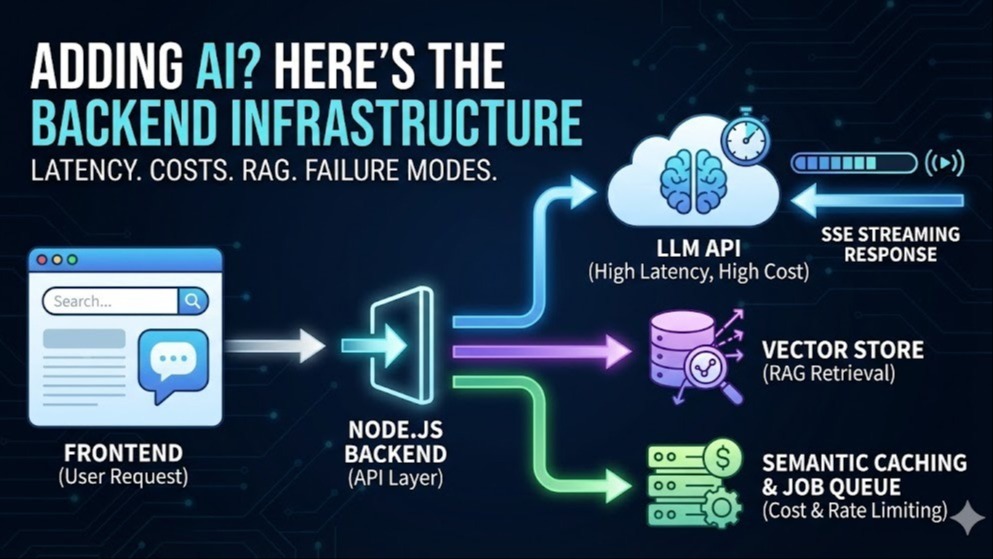
- Shipping AI Features to Production: The Backend Nobody Talks About
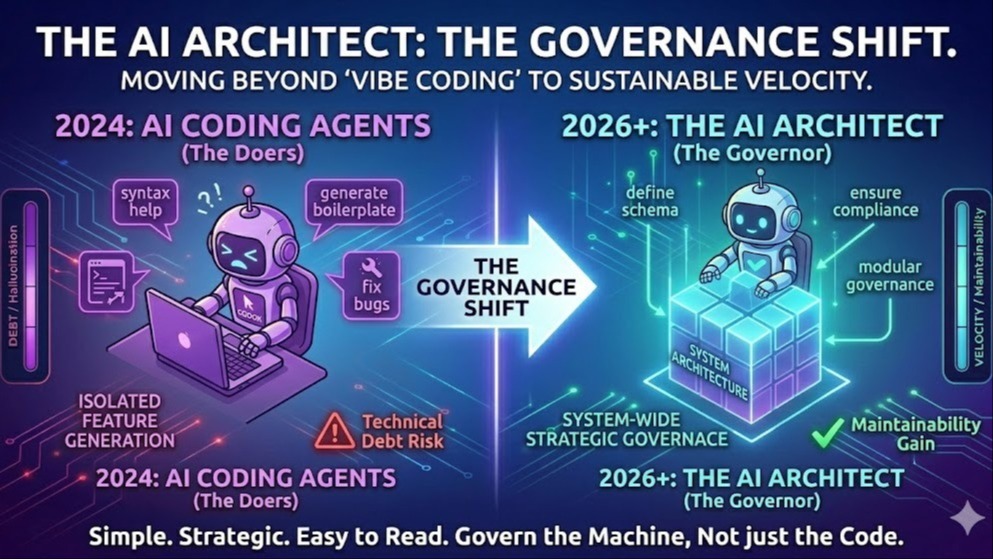
- Beyond the Hype: The Engineering Reality of Running Generative AI in Production
- Adding AI to Your Existing Product? Here's the Backend Infrastructure Nobody Talks About.
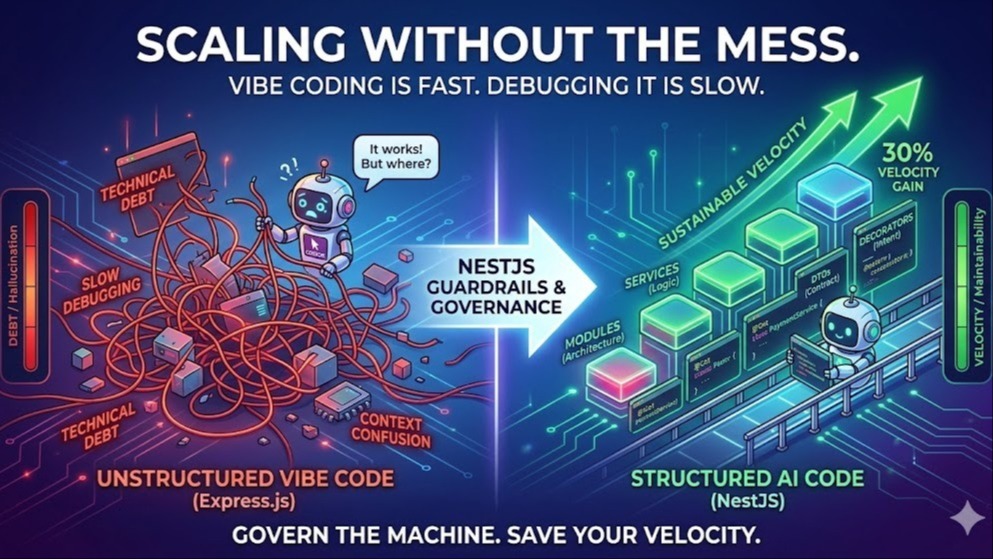
- Scaling AI-Driven Engineering: Why Unstructured Frameworks Are Costing Your Team 30% in Velocity
Adding AI to an existing product?
The model is the easy part. Send me what you are building and I will map the backend work it actually implies — retrieval, cost ceilings, latency budget, failure modes — before you commit a sprint to it.